
How to Open a Small Brewery: 8 Steps to Start a Successful Microbrewery Taproom
Learn how to open a microbrewery or brewpub with real startup cost examples, brewery planning advice, and practical lessons from a successful small brewery owner.
Starting a microbrewery requires the right business plan, location, brewery equipment, utilities, and operating model. This guide walks you through the 8 key steps to start a small brewery, based on a real brewery startup that launched a successful taproom in White Rock, BC using BREWHA BIAC brewing equipment.
If you are researching how to start a microbrewery, how much it costs to open a brewery, or what equipment you need for a small brewery, this article is designed to give you a practical starting point.
Quick Answer: How Do You Start a Microbrewery?
- Create a brewery business plan
- Choose the right brewery location
- Select brewing equipment that fits your budget and space
- Plan utilities, construction, and installation
- Build a repeatable brewing workflow
- Set up kegging, carbonation, and service
- Develop your brand and local sales model
- Use real budgets, layouts, and calculators to validate your plan
See the brewery startup budget calculator to estimate your brewery startup costs.
Table of Contents
- Watch: How to Open a Successful Small Brewery
- Real Brewery Startup Costs and ROI
- Step 1: Create a Brewery Business Plan
- Step 2: Choose the Right Brewery Location
- Step 3: Select Microbrewery Equipment
- Step 4: Plan Brewery Construction and Installation
- Step 5: Build Your Brewing Process
- Step 6: Plan Kegging and Carbonation
- Step 7: Build Your Brand and Sales Model
- Step 8: Review Sample Budgets and Brewery Plans
- Frequently Asked Questions
Video: How to Open a Successful Small Brewery Brewpub
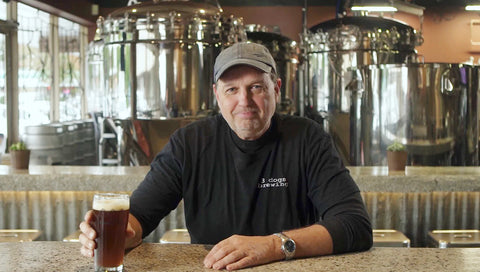
In this interview, brewery owner and brewer Scott Keddy explains how he opened a successful small brewery taproom in White Rock, BC by converting a former wine shop into a compact, community-focused microbrewery using BREWHA BIAC equipment.
Video case study: starting a small brewery in a 1,600 sq ft retail space.
Real Brewery Startup Costs and ROI
One of the biggest questions new brewery owners ask is: how much does it cost to start a microbrewery?
In this case study, Scott was able to open a 520 BBL/year brewpub for about USD 220,000 / CAD 290,000 and achieved ROI in under 6 months.
Brewery startup costs vary based on location, buildout, utility requirements, licensing, equipment size, and whether you operate a taproom, production brewery, or brewpub.
To estimate your own costs, use the brewery startup budget calculator .
Step 1: Create a Brewery Business Plan
A strong brewery startup begins with a clear business plan. Before signing a lease or buying equipment, define what kind of brewery you want to build, who your customer is, how you will sell your beer, and what level of production your market can support.
In Scott’s case, the goal was not to build a massive production brewery. The focus was a local, community-oriented brewery taproom where people could gather, drink quality beer, and feel part of the brewery experience.
Your brewery business plan should cover:
- Target market and location strategy
- Taproom-first vs wholesale distribution model
- Estimated startup costs
- Equipment and utility requirements
- Projected production volume
- Permits, licensing, and tax requirements
Step 2: Choose the Right Brewery Location
Site selection can make or break a small brewery. Many new brewery owners assume they need industrial space, but a taproom-focused business may benefit more from a strong retail location with good visibility and easy customer access.
Three Dogs Brewing chose a 1,600 sq ft former wine shop in a strip mall in White Rock, BC. That location supported the brewery’s community-driven taproom model and allowed the business to operate efficiently in a compact footprint.
When evaluating a brewery site, consider:
- Square footage and ceiling height
- Power availability
- Water supply and plumbing
- Accessibility and parking
- Taproom suitability
- Local zoning and licensing requirements
Step 3: Select Microbrewery Equipment
One of the most important early decisions is choosing brewery equipment that matches your floor space, production goals, and budget.
Three Dogs Brewing chose a 5 BBL BREWHA BIAC brewing system because it provided flexibility, portability, and a smaller footprint than many traditional brewhouse layouts.
BREWHA now also offers 7 BBL systems and 15 BBL systems for larger brewery operations.
If you are comparing brewery systems, think about:
- Batch size and growth plans
- Available floor space
- Portability and workflow
- Single-vessel vs multi-vessel layout
- Heating, chilling, and utility needs
- Ease of cleaning and process control
Explore the full BIAC brewery systems collection and review the benefits of the BIAC complete brewery system .
Step 4: Plan Brewery Construction and Installation
A small brewery buildout requires practical planning around utilities, workflow, and customer experience. Because this brewery used a compact BIAC system, it was able to fit brewing, fermentation, milling, cooler access, and taproom service into a relatively small space.
The brewing area itself was about 500 square feet. That footprint would have been much harder to operate with a fixed traditional brewhouse.
Key installation factors included:
- Water supply and filtration
- Available electrical service
- Ceiling height for mash colander lifting
- Cooler placement and serving layout
- Ventilation strategy
- Accessibility and washroom requirements

Scott also reduced buildout costs by avoiding unnecessary permanent systems where possible, sourcing some used stainless equipment, and designing the space around a taproom-first business model.
Step 5: Build Your Brewing Process
The beer brewing process in a small commercial brewery follows the same core stages as a larger brewery:
- Milling grain
- Mashing
- Sparging
- Boiling
- Chilling
- Oxygenating
- Pitching yeast
- Fermentation and cold crashing
What matters most is process control. Consistency in grain crush, temperature, cooling speed, oxygenation, and fermentation management all affect the final beer quality.


Equipment used in this workflow included a hop spider , wort chiller , and brewery chiller for temperature control.
Step 6: Plan Kegging and Carbonation
Once fermentation is complete, your brewery needs an efficient packaging and serving workflow. In this case, the brewery used kegging and force carbonation rather than bright tanks, which preserved flexibility and saved floor space.
For a small brewery or taproom, this can be a practical and scalable model, especially if most beer is sold directly to customers on site.

Step 7: Build Your Brand and Sales Model
Your brewery business model affects nearly every other decision you make. Three Dogs Brewing focused on a local lifestyle business with most sales coming directly from the taproom in pints, flights, and growlers.
That approach allowed the brewery to keep production manageable, avoid early complexity from wholesale distribution, and generate strong revenue per square foot.
For more guidance, review these key criteria for brewery startup success .
Step 8: Review Sample Budgets and Brewery Plans
Before moving forward, validate your concept with realistic numbers, equipment layouts, and capacity planning. These resources will help you build a stronger brewery startup plan:
- Brewery architectural layout drawings and floor plans
- 2025 budget for opening a microbrewery (USD)
- 2025 budget for opening a microbrewery (CAD)
- Expand your brewery capacity with BIAC fermenters
- How to start a brewery in a desert
Frequently Asked Questions About Starting a Microbrewery
How much does it cost to start a microbrewery?
Startup costs vary widely depending on brewery size, equipment, buildout, utility upgrades, and local regulations. Small brewery projects can range from lean taproom-first models to much larger capital-intensive builds.
How much space do you need for a microbrewery?
Some small breweries can operate successfully in a relatively compact footprint when the equipment and layout are designed efficiently. In this case study, the full brewery and taproom operated in about 1,600 square feet.
What equipment do you need to start a brewery?
At a minimum, most breweries need a brewing system, fermenters, chilling or temperature control, kegging or packaging equipment, and supporting utilities like filtration, plumbing, and electrical service.
Is a taproom-first brewery model a good way to start?
For many small breweries, a taproom-first model can reduce complexity and improve margins because more sales happen directly to the customer instead of through distribution.
What should I do before buying brewery equipment?
Before purchasing equipment, validate your business model, location, utility requirements, budget, and production goals. It is much easier to choose the right system once those decisions are clear.
Plan Your Brewery Startup
Ready to move from research to planning? Use these next-step resources to estimate costs and compare equipment options.
Use the brewery startup budget calculator
View BIAC brewery systems
See the benefits of BIAC brewery systems